
Chicago wedding videography capable of capturing images with a wide depth of field
- enze6799
- 16 hours ago
- 5 min read
Capturing Deep Depth of Field in Chicago Wedding Videography: Techniques for Timeless, Immersive Footage
Chicago’s diverse wedding venues—from historic ballrooms to lakeside parks—offer stunning backdrops that demand a videographer’s attention to detail. One way to elevate the visual storytelling is by mastering deep depth of field, a technique that keeps both foreground and background elements sharp, creating a sense of context and immersion. This approach works particularly well for capturing ceremonies, reception environments, and candid moments, allowing viewers to appreciate the full scope of the setting. Below, we explore strategies for achieving deep depth of field in Chicago wedding videography without compromising artistic quality.

Understanding Depth of Field and Its Impact on Storytelling
The Role of Aperture in Controlling Sharpness
Aperture, the opening of a camera lens, is the primary tool for adjusting depth of field. A smaller aperture (higher f-number, such as f/8 or f/16) increases the range of sharpness, ensuring that distant architectural details or lush garden landscapes remain in focus alongside the couple. This technique is especially useful for outdoor ceremonies in venues like Grant Park or the Chicago Botanic Garden, where the surroundings play a significant role in the narrative.
When shooting indoors, such as in grand ballrooms with ornate ceilings or chandeliers, a smaller aperture helps maintain clarity throughout the space, drawing attention to both the couple and the venue’s decor. However, be mindful of lighting conditions—smaller apertures reduce light intake, so balancing ISO and shutter speed becomes crucial to avoid grainy or overly dark footage.
The Interplay of Focal Length and Sensor Size
Focal length and sensor size also influence depth of field. Wide-angle lenses (e.g., 24mm or 35mm) naturally provide greater depth of field, making them ideal for capturing expansive scenes like cityscapes or large reception halls. These lenses allow videographers to frame the couple within their environment while keeping distant elements sharp, creating a sense of place that enhances the storytelling.
For venues with intricate details, such as historic mansions or art museums, a moderate telephoto lens (e.g., 50mm or 85mm) can strike a balance between sharpness and compression. This approach keeps the couple in focus while subtly blurring the background just enough to avoid distractions, ensuring the venue’s architecture complements rather than overwhelms the scene.

Leveraging Chicago’s Venues for Deep Depth of Field
Outdoor Settings: Embracing Natural Light and Landscapes
Chicago’s outdoor wedding venues, such as Lincoln Park Conservatory or Navy Pier, offer abundant natural light and scenic vistas. To maximize depth of field in these settings, schedule key moments during daylight hours when light is even and充足 (plentiful). Position the couple facing the light source to avoid harsh shadows, and use a tripod to stabilize the camera for crisp, steady shots.
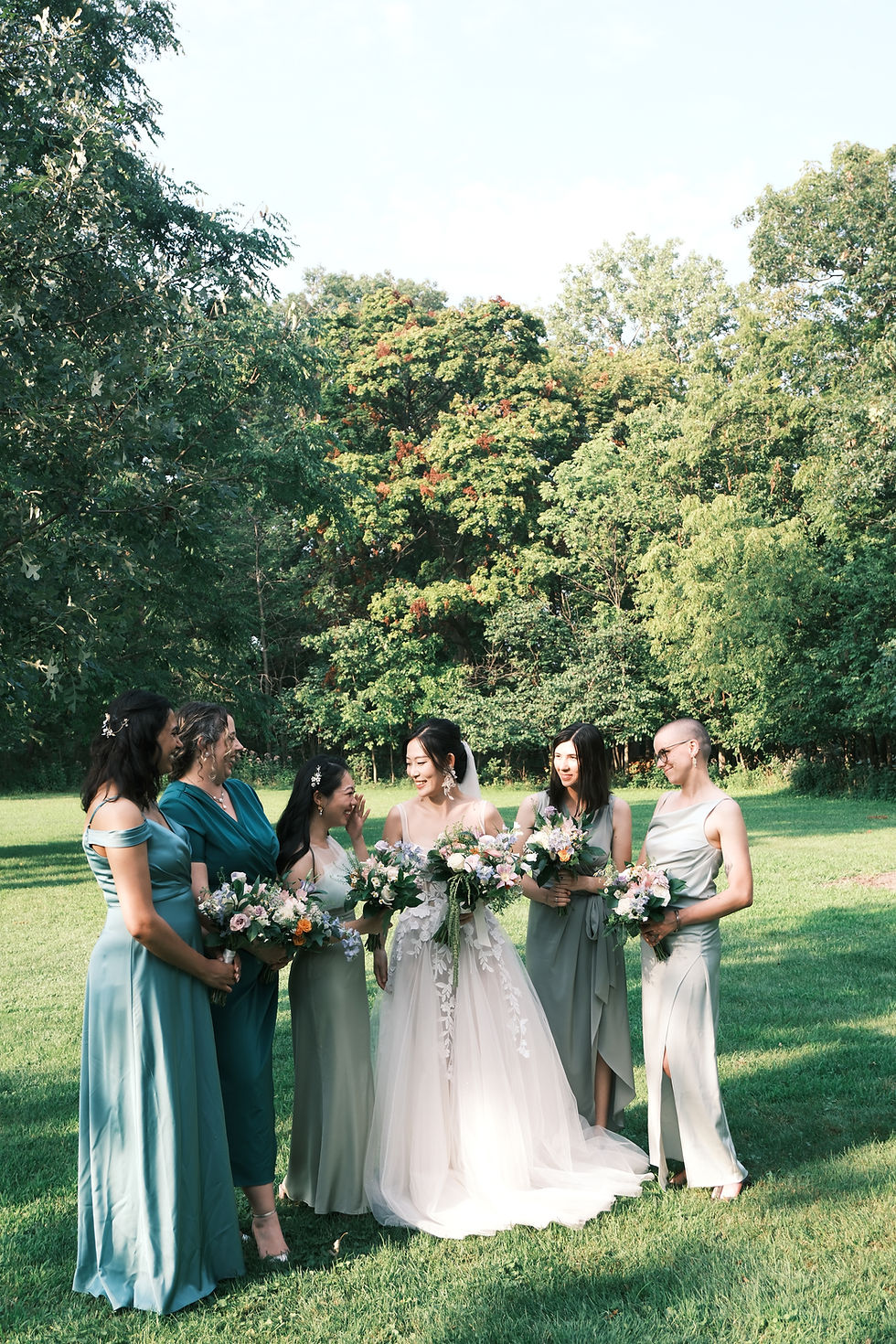
For ceremonies with lakefront views or skyline backdrops, a wide-angle lens combined with a smaller aperture ensures that both the couple and the distant horizon remain sharp. This technique creates a connection between the subjects and their surroundings, emphasizing the significance of the location in their love story. During receptions, capture wide shots of guests mingling under string lights or against sunset skies, using deep depth of field to showcase the festive atmosphere.
Indoor Venues: Highlighting Architectural Features
Chicago’s indoor wedding spaces, ranging from loft-style warehouses to elegant banquet halls, often feature striking architectural elements like exposed brick, vaulted ceilings, or large windows. To showcase these details while keeping the couple in focus, use a smaller aperture and position the camera at a slight angle to the subject. This approach adds dimension to the scene without sacrificing sharpness.
During speeches or toasts, frame the speaker against a well-lit background, such as a window or a decorative wall, using deep depth of field to capture the audience’s reactions and the venue’s ambiance. For dance floor sequences, a wide-angle lens with a moderate aperture can keep the entire room in focus, allowing viewers to appreciate the energy of the celebration while following the couple’s movements.
Technical Considerations for Achieving Consistent Sharpness
Balancing ISO and Shutter Speed for Optimal Exposure
Shooting with a smaller aperture requires careful management of ISO and shutter speed to maintain proper exposure. In bright outdoor settings, a low ISO (e.g., 100 or 200) minimizes grain, while a faster shutter speed (e.g., 1/125 or 1/250) prevents motion blur. For indoor venues with limited lighting, gradually increase the ISO while monitoring for noise, and use a slower shutter speed (e.g., 1/60) if the couple’s movements are minimal.
When filming speeches or quiet moments, a tripod is essential for stability, especially with slower shutter speeds. For dynamic sequences like first dances or processionals, a monopod or image stabilization technology can help maintain sharpness while allowing for fluid camera movement.
Using Focus Peaking and Manual Focus for Precision
Many modern cameras offer focus peaking, a feature that highlights in-focus edges with a colored outline, making it easier to achieve precise sharpness across the frame. This tool is particularly valuable when shooting with a deep depth of field, as it ensures that every element—from the couple’s attire to the background decor—is rendered clearly.
For critical moments like vows or ring exchanges, switch to manual focus to avoid autofocus hunting, which can cause distracting shifts in sharpness. Pre-focus on the couple’s faces or hands before recording, and use the camera’s magnification function to double-check focus on smaller details, such as jewelry or floral arrangements.

Creative Applications of Deep Depth of Field in Wedding Storytelling
Establishing Shots: Setting the Scene for the Day’s Events
Deep depth of field is ideal for establishing shots that introduce the wedding venue and its surroundings. Begin the wedding film with a wide-angle view of the ceremony site, capturing the couple’s approach along a path or staircase while keeping the entire scene in focus. This technique immediately immerses viewers in the location, creating anticipation for the day’s events.
For receptions, open with a sweeping shot of the ballroom or tent, highlighting the table settings, lighting, and guest seating. Use deep depth of field to showcase the venue’s scale and decor, setting the tone for the celebration. These shots serve as visual anchors, helping viewers understand the context of each subsequent moment.
Capturing Candid Interactions: Preserving Authentic Emotions
Deep depth of field allows videographers to document candid interactions without sacrificing context. During cocktail hour, capture guests laughing or chatting in the background while the couple mingles in the foreground, keeping both groups sharp to convey the lively atmosphere. This approach adds layers to the storytelling, showing the couple’s joy alongside their loved ones’ reactions.
For group photos or family portraits, a smaller aperture ensures that everyone—from the front row to the back—is in focus. Position the group in a visually interesting setting, such as beneath a historic archway or in front of a mural, using deep depth of field to highlight both the people and the location.
Time-Lapse Sequences: Showcasing the Venue’s Transformation
Time-lapse videos are a creative way to demonstrate how a venue evolves throughout the wedding day. Set up a camera with a wide-angle lens and a small aperture to capture the transition from setup to ceremony to reception, keeping the entire scene sharp as lighting and activity change. This technique emphasizes the venue’s versatility and the hard work of vendors, adding a dynamic element to the wedding film.
For outdoor venues, time-lapse sequences can also highlight natural phenomena like sunsets or passing clouds, using deep depth of field to maintain focus on both the sky and the ground-level action. These shots add a poetic quality to the film, reflecting the passage of time and the beauty of the day.
By mastering deep depth of field techniques, Chicago wedding videographers can create footage that is both technically impressive and emotionally resonant. Whether capturing the grandeur of a historic venue or the intimacy of a lakeside ceremony, the ability to keep every element in focus ensures that the wedding film tells a complete, immersive story that couples will cherish for years to come.


Comments