
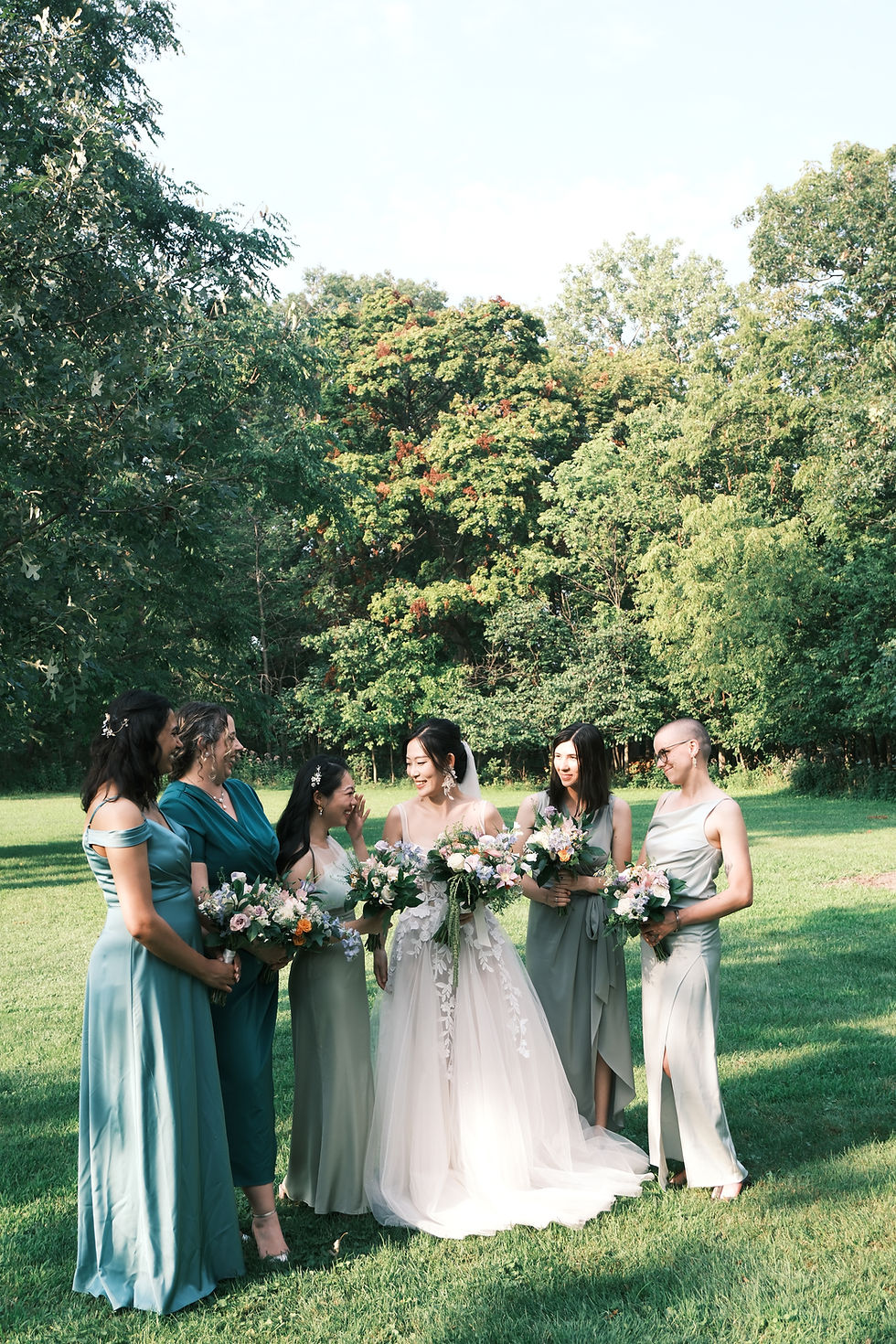
Traditional custom photography at weddings
- enze6799
- Jan 11
- 5 min read
Capturing Timeless Traditions: Photography at Weddings with Cultural Customs
Weddings are a tapestry woven with threads of love, family, and rich cultural traditions. Each ceremony is a unique celebration that reflects the heritage and values of the couple and their families. As a wedding photographer, it's your privilege to document these traditional customs, preserving them for generations to come. Here are some essential tips for capturing the essence of wedding traditions through your lens.

Pre - Ceremony Traditions: Setting the Stage
The pre - ceremony period is often filled with rituals that hold deep significance. These moments set the tone for the entire wedding and are brimming with emotion and anticipation.
In many cultures, the bride and groom have separate pre - wedding preparations. For the bride, this might involve getting her hair and makeup done, donning traditional attire, and receiving blessings from elders. As a photographer, arrive early to capture these intimate moments. Focus on the details, such as the intricate embroidery on the bride's dress, the delicate jewelry she wears, and the expressions on her face as she gets ready.
The groom's pre - ceremony rituals can also be fascinating to document. He might be involved in activities like tying a sacred thread around his wrist or performing a ritual to honor his ancestors. Look for the sense of pride and responsibility in his eyes as he carries out these traditions.
Capturing the Exchange of Gifts
In some cultures, there is a tradition of exchanging gifts between the families of the bride and groom before the ceremony. This could include items like jewelry, clothing, or symbolic objects. Position yourself to capture the moment when the gifts are presented and received. Pay attention to the body language of the family members, their smiles, and the way they interact with each other. These photos can convey the spirit of unity and goodwill between the two families.
The Wedding Ceremony: The Heart of Tradition
The wedding ceremony itself is the pinnacle of traditional customs. It's a time when the couple publicly declares their love and commitment, surrounded by their loved ones.
Every culture has its own unique set of rituals during the ceremony. For example, in a Hindu wedding, there is the exchange of garlands, the tying of the mangalsutra (a sacred necklace), and the seven vows taken by the couple. In a Christian wedding, there are readings from the Bible, the exchange of rings, and the pronouncement of the couple as husband and wife.
As a photographer, be familiar with the specific rituals of the culture you're working with. Anticipate the key moments and position yourself accordingly. Use a combination of wide - angle shots to capture the entire scene and close - up shots to focus on the expressions of the couple and the important details of the rituals.
Documenting the Emotional Highs
The wedding ceremony is filled with emotional highs, from the couple's first look at each other to the tears of joy shed by family members. Look for these moments of raw emotion and be ready to capture them. A tear rolling down the bride's cheek as she says her vows or the groom's beaming smile as he looks at his bride can make for powerful and memorable photos.
Also, pay attention to the reactions of the guests. Their applause, cheers, and smiles can add to the overall atmosphere of the ceremony. Capture the sense of community and support that surrounds the couple during this special time.
Post - Ceremony Traditions: Continuing the Celebration
After the ceremony, there are often post - ceremony traditions that are just as important as the pre - ceremony and ceremony rituals. These traditions can include activities like the reception, the throwing of the bouquet, and the cutting of the cake.
The reception is a time for the couple to celebrate with their guests, enjoy food and music, and participate in various games and dances. As a photographer, be prepared to capture the energy and excitement of the reception. Look for opportunities to take candid shots of guests having fun, dancing, and interacting with each other.
The throwing of the bouquet is a popular tradition in many cultures. The bride throws her bouquet to a group of unmarried women, and it's believed that the one who catches it will be the next to get married. Position yourself behind the group of women to capture the moment when the bouquet is thrown and the excitement on their faces as they try to catch it.

Capturing the Cake - Cutting Ceremony
The cake - cutting ceremony is another important post - ceremony tradition. The couple cuts the cake together, often feeding each other a piece as a symbol of their love and commitment. This is a great opportunity to capture close - up shots of the couple's faces, their hands as they cut the cake, and the expressions of joy and love between them.
You can also take wide - angle shots of the entire cake - cutting scene, including the guests watching and the decorations around the cake table. These photos can help tell the story of the couple's wedding day and the traditions they chose to include in their celebration.
Lighting and Composition for Traditional Wedding Photography
Lighting and composition are crucial elements in any type of photography, and they are especially important when capturing traditional wedding customs.
Natural light is often the best option for wedding photography, as it can create a soft and flattering effect. If the wedding is taking place outdoors, try to position yourself so that the light is falling on the subjects' faces. Avoid shooting directly into the sun, as this can cause harsh shadows and overexposure.
If the wedding is indoors, look for sources of natural light, such as windows, and use them to your advantage. You can also use artificial lighting, such as lamps or chandeliers, to create a warm and inviting atmosphere. Be careful not to use too much flash, as it can create harsh lighting and wash out the colors in your photos.

Using Composition to Tell a Story
Composition is the art of arranging the elements in your photo to create a visually appealing and meaningful image. When photographing traditional wedding customs, use composition to tell a story. For example, you can use the rule of thirds to place the couple or an important object in a visually interesting position within the frame.
You can also use leading lines, such as the aisle in a church or the path in a garden, to draw the viewer's eye to the main subject of the photo. Look for patterns and textures in the background, such as the fabric of a traditional dress or the tiles on a floor, to add depth and interest to your images.
By paying attention to lighting and composition, you can create stunning photos that capture the beauty and significance of traditional wedding customs. These photos will not only be a cherished memory for the couple but also a valuable record of their cultural heritage.


Comments